Is Brushing Your Teeth 3 Times a Day Bad?
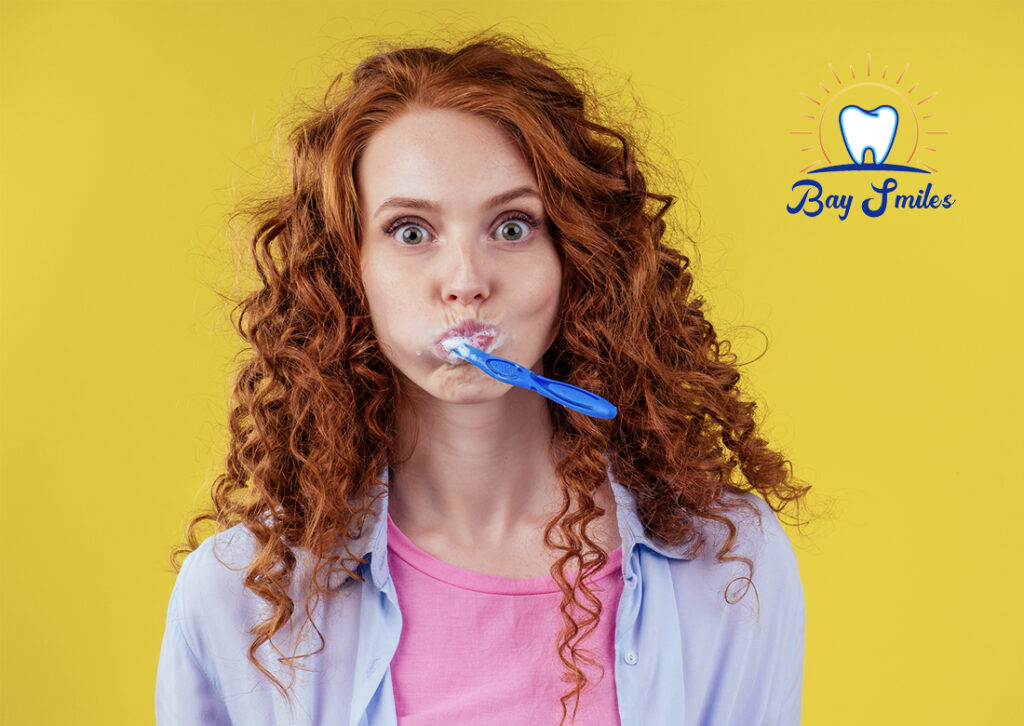
If you grew up hearing “brush after every meal,” brushing three times a day can feel like the gold standard. But then you hear the opposite: “Overbrushing can ruin your gums.” So which is it?
Here’s the honest answer: Brushing 3 times a day isn’t automatically bad—but how and when you do it matters a lot more than the number. Most major dental guidance still centers on brushing twice a day for two minutes with fluoride toothpaste.
A third brush can be helpful for certain people (braces, high cavity risk, gum inflammation, heavy plaque buildup), but it can also increase the odds of toothbrush abrasion and gum recession if you’re brushing too hard or brushing at the wrong time (like right after acidic foods/drinks).
This guide breaks down:
When a third daily brush makes sense
When it can backfire
The right techniques (so you get cleaner teeth without harming enamel or gums)
A simple daily routine that actually works in real life
A big set of practical FAQs people ask in our community (Greater Northdale / North Tampa)
Quick note: This is general education, not personal medical advice. If you have recession, sensitivity, bleeding gums, or a history of cavities, the “right” routine can be different for you.
SEO Quick Hits (so you and Google both love this article)
Primary keyword: is brushing your teeth 3 times a day bad
Secondary keywords: overbrushing, toothbrush abrasion, gum recession, proper brushing technique, how often should you brush your teeth, brushing after meals, fluoride toothpaste, electric vs manual toothbrush, flossing once a day, North Tampa dentist
Suggested Meta Title (≤ 60 chars):
Is Brushing 3 Times a Day Bad? Dentist-Backed Guide
Suggested Meta Description (≤ 160 chars):
Brushing 3x/day isn’t always bad—timing and technique matter. Learn dentist-backed tips to prevent gum recession, abrasion, and sensitivity.
The “2x a Day” Rule: Why It’s the Standard
If you ask most evidence-based dental sources, the consistent foundation is:
Brush twice daily
Use fluoride toothpaste
Brush for ~2 minutes
Clean between teeth daily
The American Dental Association (ADA) specifically emphasizes brushing two minutes, twice a day, and using a soft-bristled brush with gentle pressure.
That’s not because a third brush is “forbidden”—it’s because twice daily is enough for most people to disrupt plaque, deliver fluoride, and reduce cavity/gum disease risk when done correctly.
So… Is Brushing 3 Times a Day Bad?
Brushing 3 times a day can be fine if:
You use soft bristles (or an electric brush with a pressure sensor)
You brush gently (no scrubbing like you’re cleaning a grill)
You avoid brushing immediately after acidic foods/drinks
Your toothpaste isn’t overly abrasive (some whitening/charcoal pastes can be rough)
Your gums aren’t already inflamed or receding
Brushing 3 times a day can be a problem if:
You brush with a hard brush or heavy pressure
You “saw” back-and-forth aggressively
You brush right after orange juice, soda, sports drinks, sour candy, citrus, vinegar, etc.
You’re using abrasive toothpaste and “polishing” your enamel away
You already have recession, notches near the gumline, or sensitivity
Over time, aggressive brushing can contribute to gum recession and tooth abrasion, exposing the more sensitive root surfaces.
The Biggest “Gotcha”: Brushing Too Soon After Acid
This is where a lot of well-meaning people get burned.
Acidic foods and drinks can temporarily soften enamel. Brushing right afterward can increase enamel wear—so timing matters. Mayo Clinic’s guidance is straightforward: wait about an hour after acidic foods/drinks before brushing.
The ADA’s public-facing guidance also addresses timing around breakfast and acid: if you brush after eating, waiting ~30 minutes can be a smart move (especially if breakfast is acidic).
MouthHealthy (ADA) similarly advises waiting an hour after acidic foods so saliva can help re-harden enamel.
What counts as “acidic” (common in real life)?
Orange juice, grapefruit, lemons/limes
Soda (even diet), sports drinks, energy drinks
Sour candy
Vinegar-heavy foods
Wine
Some coffees + add-ins (varies, but many people pair coffee with sweet/acid foods)
North Tampa reality check: If your day includes coffee + citrus, a midday soda, or a sports drink after the gym—your “third brush” timing matters a lot.
If you want to freshen up after lunch: consider rinsing with water, chewing sugar-free gum, or using a quick fluoride rinse (if appropriate for you) instead of immediately brushing after something acidic.
What “Overbrushing” Actually Means (Hint: It’s Usually Pressure, Not Frequency)
People love to blame the number—“I brush 3x/day, that must be it.”
But most damage comes from force + friction + abrasive paste + poor technique, not simply brushing more often.
The ADA explicitly recommends soft bristles and gentle pressure to reduce gum injury risk.
And it acknowledges abrasion can occur in rare cases of excessive/aggressive brushing, while typical brushing with a soft brush and fluoride paste is generally unlikely to cause erosive wear.
Signs you may be brushing too hard
Gums look like they’re “pulling back” from teeth
Sensitivity near the gumline (especially to cold)
Notches/grooves at the base of teeth
Your toothbrush looks crushed or frayed quickly
Bleeding or soreness that doesn’t improve with better technique
You feel like you need to “scrub” to feel clean
If any of these are true, a third brush may be adding wear—not health.
The Best Daily Routine for Most Adults (Simple + Effective)
If you want a routine that’s evidence-based and realistic:
Morning (Option A: Before breakfast)
Brush 2 minutes with fluoride toothpaste
Spit, don’t aggressively rinse (so fluoride stays around longer)
Eat breakfast afterward
Brushing before breakfast can be helpful because it removes plaque built overnight and puts fluoride on the teeth before food.
Morning (Option B: After breakfast)
Wait 30–60 minutes if breakfast is acidic, then brush
Night (Non-negotiable)
Brush 2 minutes before bed + clean between teeth daily (floss/interdental brush).
Nighttime brushing matters because saliva flow drops during sleep, and bacteria get a more relaxed “work environment.”
Midday (Optional)
If you want a third “clean”:
If lunch was not acidic and you can brush gently: a quick brush can be fine
If lunch was acidic: rinse with water and wait before brushing
Who Might Benefit from Brushing 3 Times a Day?
A third brush can be useful when the goal is reducing plaque and food retention without damaging tissues.
You might benefit if you:
Wear braces or aligners (more plaque traps)
Have a history of frequent cavities
Have early gum inflammation/gingivitis (and you’re working to reverse it)
Get food stuck often (crowding, certain restorations)
Snack frequently (more “acid attacks” during the day)
But even then, many people can do better with:
Better technique
Daily interdental cleaning
Reducing sugary/acidic sipping all day
A fluoride-focused plan recommended by your dentist
Proper Brushing Technique (The Part Most People Were Never Taught)
The ADA’s recommended basics:
Place the brush at a 45-degree angle toward the gumline
Use gentle short strokes
Brush outer, inner, and chewing surfaces
For the inside of front teeth: tilt vertically and use up-and-down strokes
The 2-Minute “Quadrant” Method (easy + effective)
Split your mouth into 4 sections:
Upper right (30 sec)
Upper left (30 sec)
Lower right (30 sec)
Lower left (30 sec)
Do a quick “bonus pass” along the gumline at the end if you tend to miss it.
Pressure: the “Two-Finger Rule”
Hold the brush with two fingers (like a pencil), not a full fist. If you’re white-knuckling it, you’re probably overdoing it.
Brush head placement matters more than speed
Fast scrubbing doesn’t equal clean. Plaque removal is about contact + coverage, not horsepower.
Electric vs Manual Toothbrush: Does It Matter?
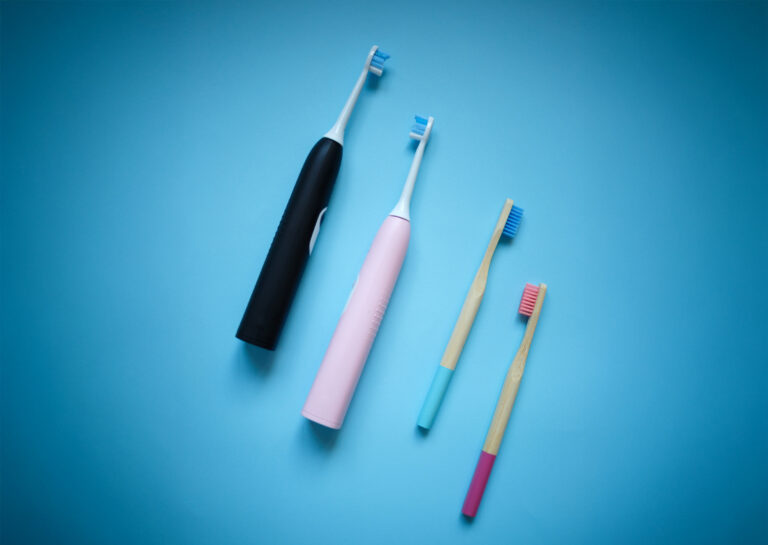
Both can work well, but powered brushes have been shown in systematic reviews (including a Cochrane review) to reduce plaque and gingivitis more than manual brushing in the short and long term.
That said, the “best brush” is the one you’ll use correctly for 2 minutes, twice a day, with gentle pressure.
If you tend to brush too hard: an electric brush with a pressure sensor can be a game changer.
Toothpaste Matters More Than Most People Realize
Fluoride toothpaste: the everyday MVP
Fluoride helps strengthen enamel and is associated with decreased caries risk and remineralization benefits.
The ADA also recommends using ADA-accepted fluoride toothpaste.
Whitening toothpaste: helpful, but watch the abrasiveness
Some whitening pastes are more abrasive. If you’re brushing 3x/day and using a highly abrasive paste and brushing hard, you’ve created the perfect storm for sensitivity and gumline wear.
Charcoal toothpaste: proceed carefully
Many charcoal pastes can be abrasive and may not provide the same proven fluoride benefit depending on the product. (Talk with your dentist before making it your daily driver.)
Flossing and Interdental Cleaning: The “Missing” Half of Oral Hygiene
A toothbrush can’t effectively clean between teeth where plaque and food collect. That’s why cleaning between teeth daily is consistently recommended.
What counts as “cleaning between teeth”?
String floss
Floss picks (better than nothing; great on-the-go)
Interdental brushes (especially if you have spaces or gum issues)
Water flossers (helpful for braces, implants, dexterity challenges)
Pro tip: Many people find it easier to floss before brushing at night, then brush—so fluoride reaches cleaner surfaces. (Even mainstream dental guidance often supports flossing as part of the nightly routine.)
Mouthwash: Helpful, But Not a Substitute
Mouthwash can be useful (especially fluoride rinses for cavity-prone patients), but it does not replace brushing and interdental cleaning.
If you use a mouthwash:
Use it as an add-on, not the main event
Follow product directions
Ask your dentist what’s best for your risk profile (cavities vs gums vs dry mouth)
The Real Enemy: “All-Day Sipping” and Constant Snacking
A lot of people brush 3x/day because they feel like their mouth is under constant attack. And sometimes… it is.
Frequent sugar intake and frequent acidic sipping can keep teeth in a repeated cycle of demineralization. Even if you brush more, constantly bathing teeth in soda/juice/sports drinks is rough.
If you want a simple upgrade:
Drink acidic beverages quickly (don’t swish)
Prefer water between meals
If you do have an acidic drink, rinse with water after
How Often Should You Replace Your Toothbrush?
The ADA recommends replacing toothbrushes about every 3 to 4 months, or sooner if bristles are visibly frayed or matted.
A worn brush cleans less effectively and may encourage people to press harder.
A “Safe” 3x/Day Brushing Plan (If You Really Want to Do It)
If you’re committed to brushing three times daily, this is the lowest-risk approach:
Brush #1 (Morning):
2 minutes, soft bristles, gentle pressure, fluoride paste
Midday “clean” (Choose one):
If meal wasn’t acidic: gentle 1–2 minute brush is okay
If meal was acidic: rinse with water, chew sugar-free gum, wait before brushing
Brush #2 (Night):
Floss/interdental clean
Brush 2 minutes
Spit (don’t aggressively rinse) so fluoride can hang around longer
When You Should NOT Add a Third Daily Brush Without Guidance
Be careful with 3x/day brushing if you have:
Gum recession
“Notches” at the gumline
Significant sensitivity
A history of enamel wear/erosion
A habit of brushing hard (especially with whitening paste)
In those cases, the better plan may be:
Keep brushing twice daily, improve technique
Add interdental cleaning
Adjust timing around acids
Consider prescription fluoride or specific products recommended by your dentist
FAQs
1) Is brushing after every meal better?
Not always. If the meal includes acidic foods/drinks, brushing immediately can increase enamel wear. Waiting 30–60 minutes (or about an hour) after acid is commonly advised.
2) Can brushing 3 times a day cause gum recession?
It can—especially if you brush hard, use a hard brush, or use abrasive toothpaste. Gentle technique and soft bristles reduce risk.
3) Is it better to brush before or after breakfast?
Either can work. Brushing before breakfast helps remove overnight plaque and can coat teeth with fluoride first. If brushing after, consider waiting if breakfast is acidic.
4) Should I brush my tongue?
Yes—gently. It can help with breath and reduces bacterial load. Don’t scrub aggressively.
5) What if my gums bleed when I brush?
Bleeding can be a sign of gum inflammation, but it can also come from brushing too hard. If bleeding persists, schedule an exam—gum health is much easier to address early.
6) How long should I brush?
Two minutes is the standard recommendation.
7) Manual or electric toothbrush—which is better?
Both can work, but evidence reviews show powered brushes can reduce plaque and gingivitis more than manual on average.
8) How do I know I’m brushing too hard?
If your bristles fray fast, you have gumline notches, recession, or increasing sensitivity, it’s worth adjusting technique and pressure.
9) Should I rinse after brushing?
Many clinical tips suggest spitting rather than thoroughly rinsing so fluoride remains on teeth longer.
10) If I can only do one thing besides brushing, what’s the biggest win?
Daily cleaning between teeth (floss/interdental) is the biggest “missing piece” for most people.
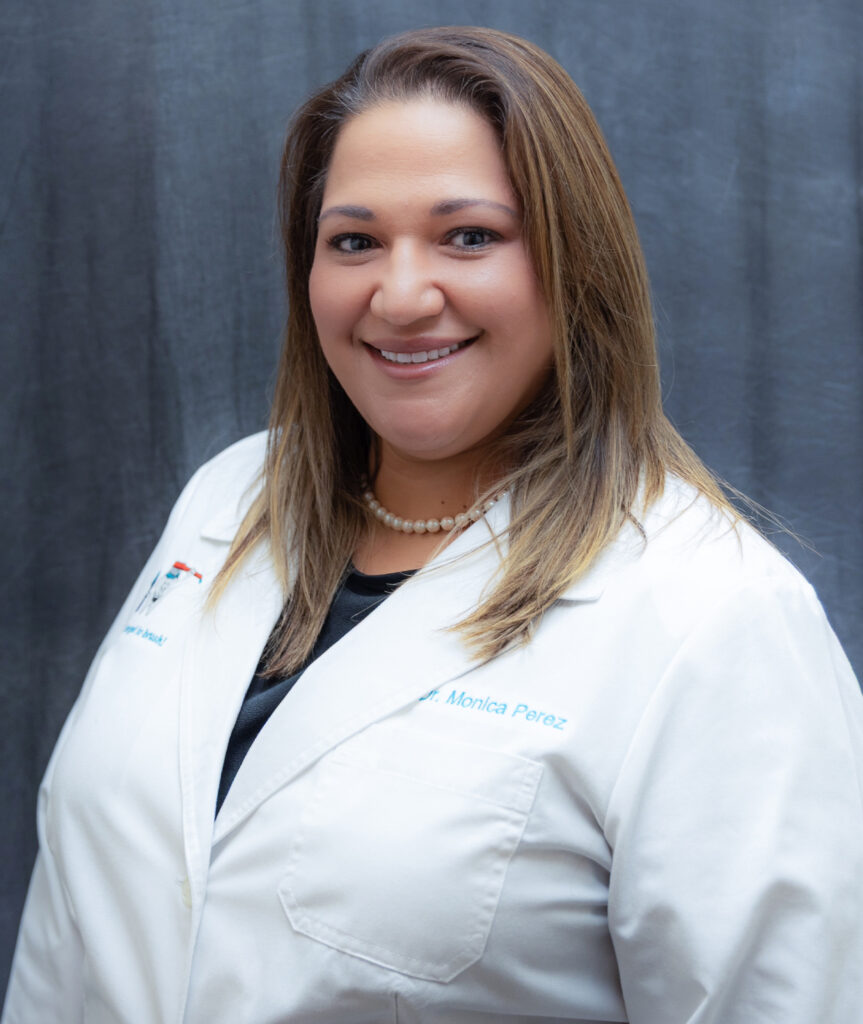
The Bay Smiles Takeaway (Dr. Monica Perez)
For most people in Greater Northdale / North Tampa, the best “bang for your buck” isn’t forcing a third brush—it’s mastering the basics:
Brush twice daily for 2 minutes with fluoride toothpaste
Use soft bristles and gentle pressure
Clean between teeth daily
Avoid brushing immediately after acidic foods/drinks; wait
Replace your toothbrush every 3–4 months
If you do brush three times a day, make it a gentle, well-timed third brush—not an aggressive scrub session.
Want a Personalized Routine?
If you’re dealing with sensitivity, bleeding gums, recession, frequent cavities, or you’re not sure whether a third daily brush is helping or harming, Bay Smiles can help you dial in a routine that matches your mouth, your diet, and your risk factors.
Bay Smiles Dentistry (Dr. Monica Perez)
Greater Northdale / North Tampa, FL
15711 Mapledale Blvd Ste A, Tampa, FL 33624
Phone: 813-234-1600
Sources:
American Dental Association (ADA) – Home Oral Care
https://www.ada.org/resources/ada-library/oral-health-topics/home-care
ADA – Toothbrushes (soft bristles, 2 minutes, replace every 3–4 months, technique)
https://www.ada.org/resources/ada-library/oral-health-topics/toothbrushes
MouthHealthy (ADA) – Brushing Your Teeth (45-degree angle technique, replace brush, fluoride)
https://www.mouthhealthy.org/all-topics-a-z/brushing-your-teeth
MouthHealthy (ADA) – Dietary Acids and Your Teeth (wait an hour after acidic foods)
https://www.mouthhealthy.org/all-topics-a-z/dietary-acids-and-your-teeth
Mayo Clinic – Brushing your teeth: how often and when (acid timing; wait an hour)
https://www.mayoclinic.org/healthy-lifestyle/adult-health/expert-answers/brushing-your-teeth/faq-20058193
CDC – Oral Health Prevention / Oral Health Tips (brush twice daily, floss daily)
https://www.cdc.gov/oral-health/prevention/oral-health-tips-for-adults.html
Cochrane Review – Powered vs Manual Toothbrushing (plaque/gingivitis outcomes)
https://www.cochranelibrary.com/cdsr/doi/10.1002/14651858.CD002281.pub3/full
Need personalized guidance?
We’re here to help.
If you’re in the Tampa Bay area and want a brushing plan tailored to your gums, restorations, sensitivity, or goals, contact:
Bay Smiles Dentistry (Dr. Monica Perez)
15711 Mapledale Blvd Ste A, Tampa, FL 33624
813-234-1600
Bay Smiles Dentistry
“A healthy smile is the easiest thing you can wear that always fits. Your smile does the talking—let’s make sure it says ‘Confident.’ ” —Dr. Perez
Send Us A Message
Feel free to ask us a question, send us a message. A member of our team will contact you. You can also call us at (813) 264-1600.