Electric vs. Manual Toothbrushing: What Actually Matters for a Healthier Smile in Tampa Bay
If you’ve ever stood in the oral-care aisle at a Tampa Target or CVS wondering whether an electric toothbrush is really worth it, you’re not alone. Between the $3 manual brushes and the $250 smart “AI” brushes, it can feel like you’re choosing between “good enough” and “overkill.”
Here’s the truth: both electric and manual toothbrushes can keep your mouth healthy—but powered (electric) toothbrushes do show a measurable edge in plaque removal and gum-health improvement in many studies. The “best” brush often comes down to your habits, your gum status, your dexterity, and whether your brush helps you brush correctly and consistently.
This guide breaks down what the research says (in plain English), who benefits most from electric brushes, and how to get a truly clean mouth—whether you’re Team Manual or Team Electric.
Bay Smiles Dentistry
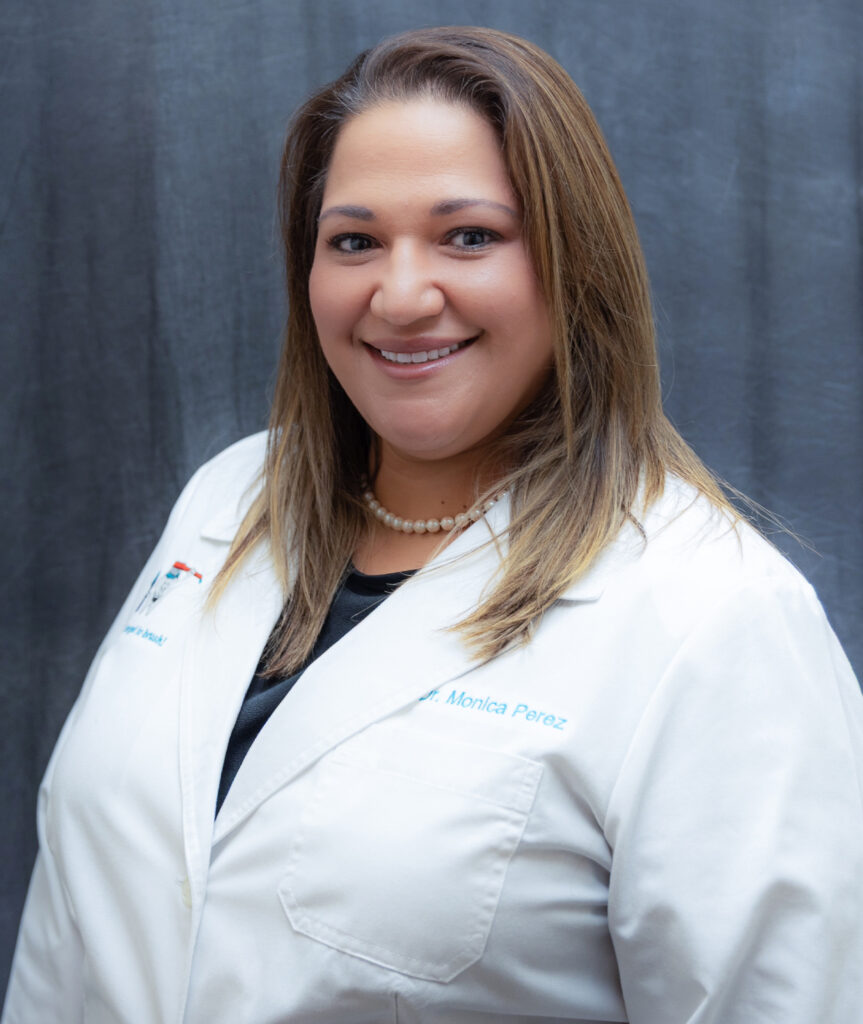
Dr. Monica Perez
15711 Mapledale Blvd Ste A, Tampa, FL 33624
813-234-1600
Why brushing matters more than people think
Brushing isn’t just about fresh breath. It’s about managing dental plaque—a sticky biofilm of bacteria that constantly forms on teeth and along the gumline. If plaque isn’t disrupted regularly, it can lead to:
- Gingivitis (inflamed, bleeding gums)
- Periodontitis (more advanced gum disease with bone loss)
- Tooth decay (cavities)
- Bad breath and tartar buildup
Periodontal disease is common in U.S. adults. CDC summaries based on national data estimate a large portion of adults have periodontitis (gum disease with bone loss). CDC+1
And oral health doesn’t exist in a vacuum—major organizations continue to examine connections between gum health and systemic health, particularly cardiovascular disease risk and shared risk factors (like smoking, inflammation, diabetes). Ada+1
So yes—your toothbrush choice matters. But what matters more is how effectively your brush helps you remove plaque every day.
The baseline: What “good brushing” actually means
Before we compare brushes, let’s define success. The American Dental Association’s general guidance (for most people) includes:
- Brush for 2 minutes, twice a day
Use a soft-bristled brush - Replace your toothbrush (or electric head) about every 3–4 months, or sooner if frayed
- Either manual or powered toothbrushes can be effective when used properly Ada+1
Other evidence-based basics from NIH/NIDCR include:
- Brush twice daily with fluoride toothpaste
- Clean between teeth regularly—aim for once a day (floss or another interdental cleaner)
- Keep up with routine dental check-ups NIDCR+1
That’s the foundation. Now let’s talk tools.
Manual toothbrushes: underrated, affordable, effective (with good technique)
Pros of manual brushing
A manual toothbrush can be fantastic because it’s:
- Affordable (easy to replace on schedule)
- Simple (no charging, no parts)
- Travel-friendly
- Effective when used with proper technique and time Ada
Cons of manual brushing
Most manual brushing problems aren’t “manual brush problems.” They’re human problems, like:
- Brushing for too little time (many people underestimate 2 minutes)
- Missing the gumline or back teeth
- Brushing too hard (can contribute to gum recession or abrasion over time)
- Inconsistent technique day-to-day
If you love manual brushes, you can absolutely stick with them—just make sure your routine isn’t quietly sabotaging you.
Manual brushing technique that actually works
A simple, patient-friendly approach many dental professionals teach:
Angle bristles toward the gumline
Use gentle, small circles (not aggressive scrubbing)
Cover outer surfaces, inner surfaces, and chewing surfaces
Don’t forget the back molars and the tongue
NIDCR caregiver guidance also emphasizes gentle circular motions and angling bristles toward the gumline to clean where teeth and gums meet. NIDCR
Electric toothbrushes: what counts as “electric,” anyway?
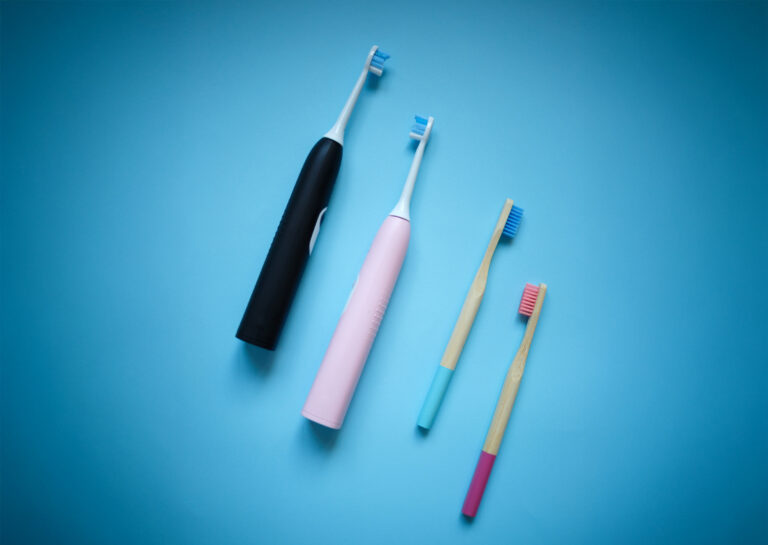
Not all powered brushes are the same. The main types you’ll see:
1) Oscillating-rotating (O-R)
- Small round head
- Rotates/oscillates rapidly (sometimes with pulsation)
- Often designed to clean one tooth at a time
2) Sonic (high-frequency vibration)
- More like a classic brush head shape
- Vibrates at high frequency to disrupt plaque
3) “Smart” electric brushes
- Can be O-R or sonic
- Add timers, pressure sensors, app coaching, coverage tracking, etc.
A key point: the “smart” features don’t magically clean your teeth. They mostly help you brush long enough, gently enough, and more evenly.
What the research says: is electric really better?
The big-picture evidence (systematic reviews)
A major Cochrane review comparing powered vs. manual toothbrushes found that powered toothbrushes reduce plaque and gingivitis more than manual toothbrushing in both the short and long term. The review also notes that the clinical importance of the differences can vary, and cost/side effects were inconsistently reported across studies. Cochrane Library+1
Cochrane also reported approximate relative improvements in plaque and gingivitis scores at time points like 1–3 months and beyond 3 months, showing consistent benefit overall. Cochrane
What about long-term outcomes (not just “plaque scores”)?
One of the most interesting real-world studies looked at adults over 11 years and assessed periodontal outcomes and tooth retention. In that cohort, powered toothbrush use was associated with better periodontal measures and less tooth loss over time (association—not absolute proof of causation, because it’s observational). PMC+1
Do specific electric brush styles perform better?
Research has compared different technologies (oscillating-rotating vs sonic vs manual), and some analyses report advantages for certain powered designs for plaque and gingival health outcomes. PubMed+2PubMed+2
So… should everyone switch?
Not automatically.
Think of it like a treadmill vs. jogging outside:
A treadmill can make it easier to be consistent (timer, pace, routine)
But you can get fit either way if you do it correctly
Electric brushes often win because they reduce user error—especially time and pressure mistakes.
Who benefits most from an electric toothbrush?
If you’re brushing perfectly with a manual brush for 2 minutes twice a day, flossing daily, and your gums are healthy—switching might give you a modest improvement, or it might just be convenience.
But powered brushing can be a game-changer for certain groups:
1) People who brush too hard (or have gum recession)
Many electric brushes include pressure sensors that warn you when you’re pressing too hard. That’s not a gimmick—overbrushing is common, and softer technique is a frequent recommendation.
2) People who brush too quickly
Timers help. The ADA consensus recommendation includes two minutes twice daily, and built-in timers can make that easier to execute consistently. Ada+1
3) People with braces, aligners, bridges, implants, or crowded teeth
A powered brush can help disrupt plaque around hardware—though the real “secret weapon” is daily interdental cleaning (floss, interdental brush, water flosser, etc.). NIDCR explicitly recommends cleaning between teeth regularly, aiming for once a day. NIDCR+1
4) People with arthritis, limited dexterity, or mobility challenges
Powered brushing reduces the amount of manual motion required. This is one of the clearest practical advantages.
5) People with gingivitis or a history of periodontal disease
If your gums bleed when brushing or flossing, it’s not a reason to stop—it’s a reason to get evaluated and tighten your routine. Periodontitis is common and can be managed with professional care plus consistent home hygiene. CDC
Powered brushes may support better plaque control and gum outcomes in many patients, per systematic review evidence. PubMed+1
Tampa Bay reality check: habits that challenge your brushing routine
Tampa Bay lifestyles are awesome—but they come with routine disruptors that can quietly chip away at oral hygiene:
Commutes + early schedules → rushed mornings, shorter brushing
Coffee culture → staining + “sip-all-morning” habits
Sports drinks / sweet tea / soda → frequent sugar/acid exposure
Beach weekends + travel → forgotten floss and irregular routines
Brushing choice helps most when it supports consistency. If an electric brush makes you brush longer and gentler—great. If a manual brush is what you reliably use twice daily—also great.
Cost: is an electric toothbrush “worth it”?
A good question—because not everyone wants another device to charge.
Manual brush costs
Cheap upfront
Must replace every ~3–4 months Ada+1
Total annual cost is usually low
Electric brush costs
Higher upfront cost
Replacement heads still needed every ~3 months (often similar replacement cadence) Ada
Some people brush better simply because they invested in it
Practical recommendation: You don’t need the most expensive model. A reliable powered brush with:
a 2-minute timer
a pressure sensor (nice-to-have)
soft bristles
…covers the biggest benefits for most people.
Safety: can electric brushing damage enamel or gums?
Used correctly, electric toothbrushes are safe for most people. The bigger risk—manual or electric—is excessive force and aggressive scrubbing. That can contribute to:
Gum recession over time
Tooth abrasion near the gumline
This is why soft bristles, gentle technique, and (if needed) pressure sensors are valuable.
Also, both ADA and Mayo Clinic–style guidance emphasize brushing twice daily for at least two minutes with fluoride toothpaste—consistency and technique matter as much as brush type. Ada+1
The fluoride factor: brushing isn’t just “scrubbing”
Brushing removes plaque mechanically, but toothpaste—especially fluoride toothpaste—adds a chemical defense by strengthening enamel and helping prevent decay.
CDC and NIH resources consistently emphasize brushing with fluoride toothpaste and regular routines. CDC+2NIDCR+2
Tip many patients miss: After brushing, spit, don’t aggressively rinse. If you rinse thoroughly right away, you may wash away fluoride that’s meant to stay on teeth a bit longer. Ask Dr. Perez what’s best for your situation (especially if you’re cavity-prone).
“Electric vs manual” isn’t the whole story: the missing step is between the teeth
Even the best toothbrush—manual or electric—can’t fully clean tight spaces between teeth.
That’s why:
NIDCR recommends cleaning between teeth regularly, aiming for once a day NIDCR
ADA recommends brushing twice daily and cleaning between teeth once a day with floss or another interdental cleaner Ada
If you do one upgrade this year, it might not be your toothbrush—it might be going from “sometimes floss” to “daily interdental cleaning.”
How to choose the right toothbrush for you
Choose an electric toothbrush if:
You rush brushing or struggle to hit 2 minutes
Your gums bleed easily or you’re working on gingivitis (with professional guidance)
You brush too hard and need help reducing pressure
You have braces, implants, bridges, or dexterity limitations
You want coaching features that keep you consistent PubMed+2Ada+2
Choose a manual toothbrush if:
You’re consistent, gentle, and thorough
You replace it on schedule
You prefer simplicity and travel ease
Your gums and checkups are consistently healthy Ada
Either way, look for:
Soft bristles
A brush head that fits your mouth comfortably
A handle you can control easily
Replacement schedule you’ll actually follow (about every 3–4 months) Ada+1
Step-by-step: how to brush with an electric toothbrush (properly)
Many people use electric brushes like manual ones—and lose part of the benefit.
Try this:
Put the bristles at the gumline of one area (back molars first).
Turn it on and let the brush do the work—don’t scrub.
Slowly move tooth-to-tooth, spending a few seconds per surface.
Follow the timer (2 minutes total).
Use gentle pressure—if your brush alerts you, listen.
If you’re unsure whether you’re hitting all areas evenly, ask your dental team to show you “coverage mapping” in a mirror at your next cleaning—simple demonstrations are often the fastest way to improve results.
Common myths (and what to do instead)
Myth 1: “If my gums bleed, I should stop flossing/brushing there.”
Bleeding is often a sign of inflammation from plaque. Maintain gentle cleaning and get evaluated—especially if it persists. Periodontitis is common and treatable/manageable with professional care and consistent home care. CDC+1
Myth 2: “The harder I brush, the cleaner it gets.”
Harder is not better. Gentle, thorough, and long enough beats aggressive scrubbing.
Myth 3: “Electric brushes are only for people who don’t brush well.”
Many excellent brushers still prefer electric because it’s easier to be consistent. But yes—electric can help close the gap for people who struggle with time and technique. PubMed+1
Quick FAQ
Is an electric toothbrush safe for kids?
Often yes, with age-appropriate brushes, gentle technique, and adult supervision. For children, fluoride toothpaste guidance and supervision matter a lot. CDC+1
Do I need a “smart” brush with an app?
Not usually. Timers and pressure sensors are the most practically useful features for many patients.
What if I have sensitive teeth?
Soft bristles and gentle technique are key; many powered brushes also have “sensitive” modes. If sensitivity is persistent, it’s worth an exam to rule out recession, enamel wear, or cavities.
How often should I replace brush heads?
About every 3–4 months (or sooner if frayed), same general timing as manual brushes. Ada+1
The bottom line for Tampa Bay patients
Manual brushing can be excellent if your technique and consistency are strong.
Electric brushing often provides a measurable advantage for plaque removal and gingivitis reduction in research—especially because it helps reduce common mistakes. PubMed+1
The biggest “unlock” for most people is not just brush choice—it’s 2 minutes, twice daily + daily interdental cleaning + fluoride toothpaste. CDC+3Ada+3NIDCR+3
If you want help choosing a brush (or improving your technique), bring your current toothbrush to your next visit. A quick in-chair demo can make your home routine dramatically more effective.
Need personalized guidance? We’re here to help.
If you’re in the Tampa Bay area and want a brushing plan tailored to your gums, restorations, sensitivity, or goals, contact:
Bay Smiles Dentistry (Dr. Monica Perez)
15711 Mapledale Blvd Ste A, Tampa, FL 33624
813-234-1600
Need personalized guidance?
We’re here to help.
If you’re in the Tampa Bay area and want a brushing plan tailored to your gums, restorations, sensitivity, or goals, contact:
Bay Smiles Dentistry (Dr. Monica Perez)
15711 Mapledale Blvd Ste A, Tampa, FL 33624
813-234-1600
Bay Smiles Dentistry
“A healthy smile is the easiest thing you can wear that always fits. Your smile does the talking—let’s make sure it says ‘Confident.’ ” —Dr. Perez
Send Us A Message
Feel free to ask us a question, send us a message. A member of our team will contact you. You can also call us at (813) 264-1600.